Practical Thinking on Regulatory & Quality
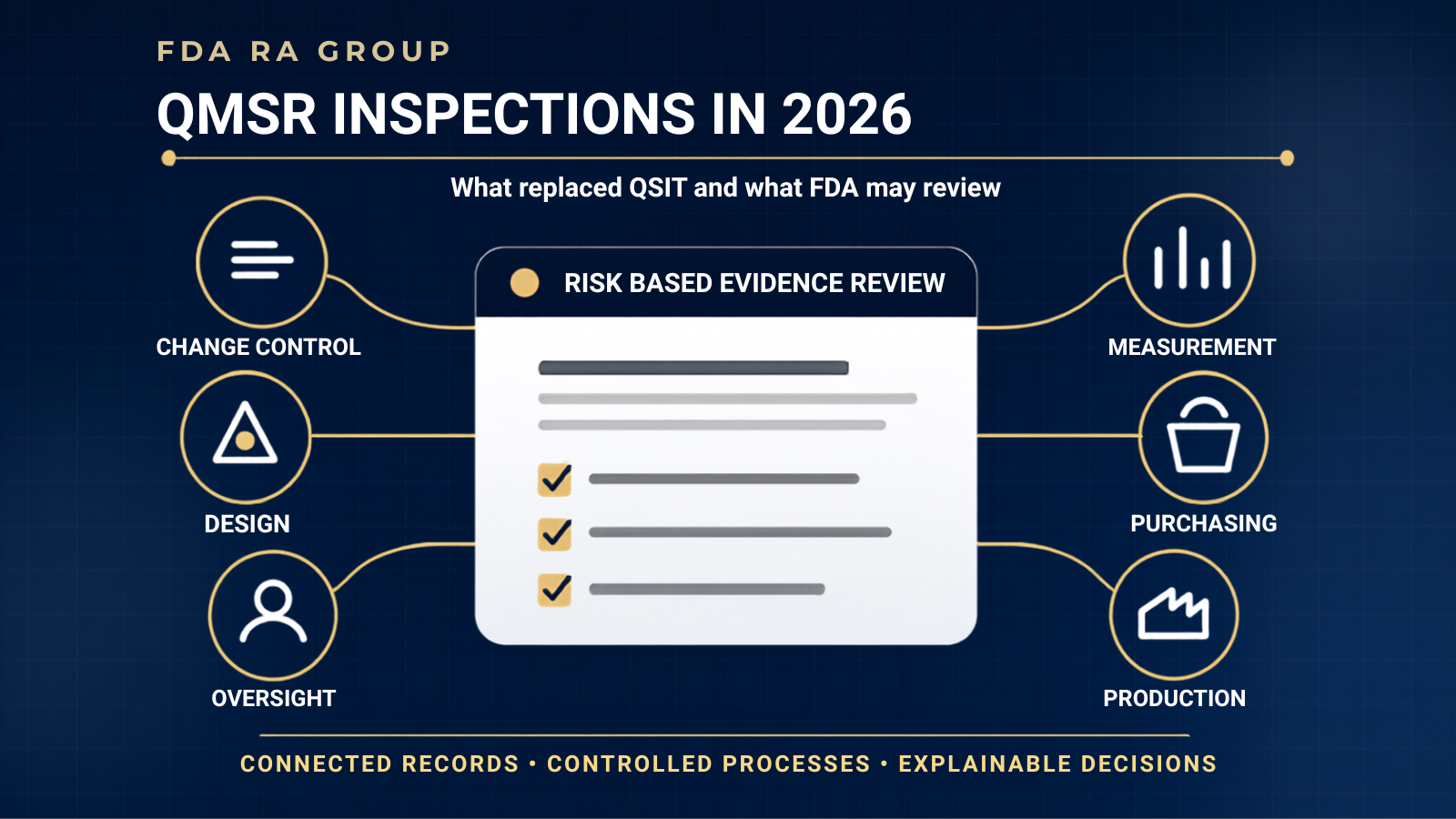
QMSR Inspections in 2026: What Replaced QSIT and What FDA May Review
FDA withdrew QSIT when QMSR became effective on February 2, 2026. The replacement inspection process is risk based, connects six quality management system areas, and changes the records manufacturers should be prepared to retrieve and explain.
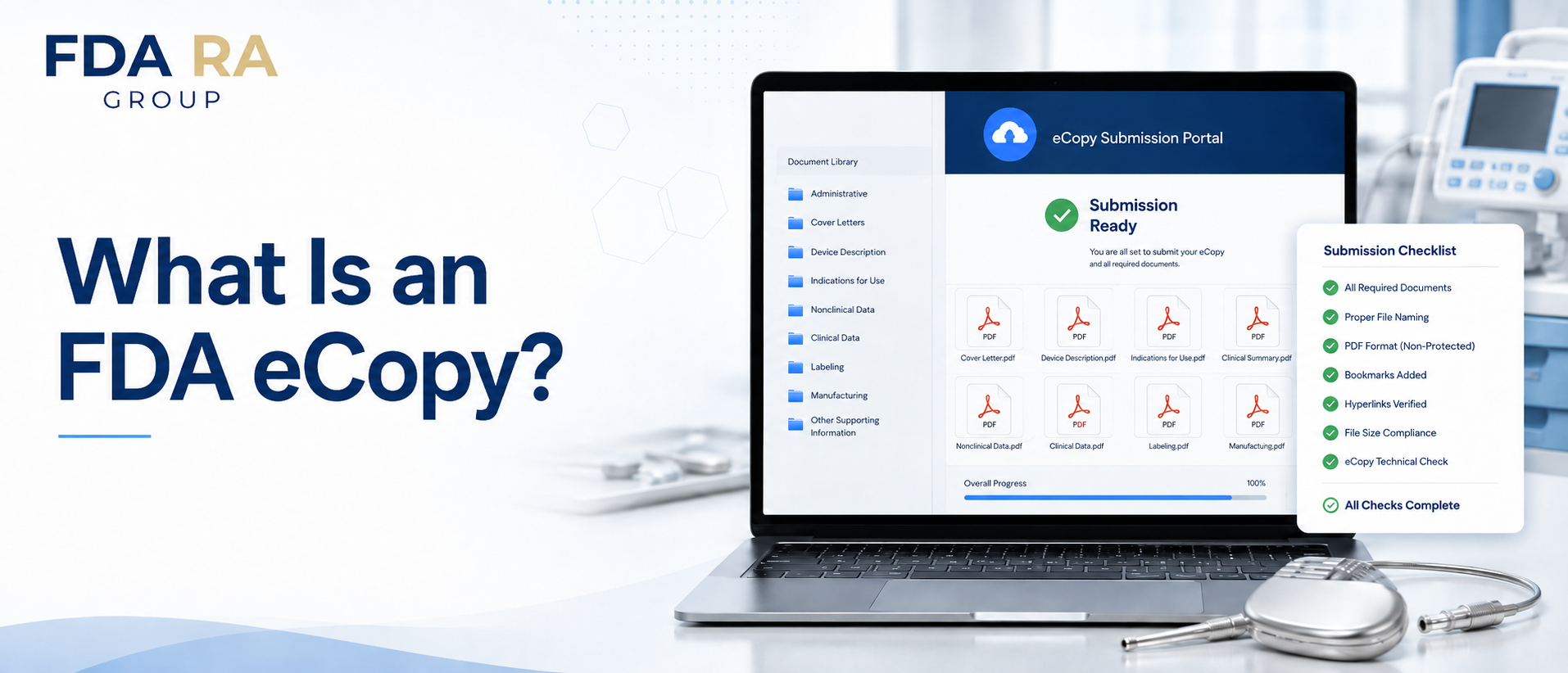
What Is an FDA eCopy? Everything You Need to Know
An improperly prepared eCopy can result in a format hold before FDA's substantive review of the submission begins. While eSTAR has expanded, eCopy remains required for many medical device regulatory submissions including PMAs, IDEs, and Pre Submissions.
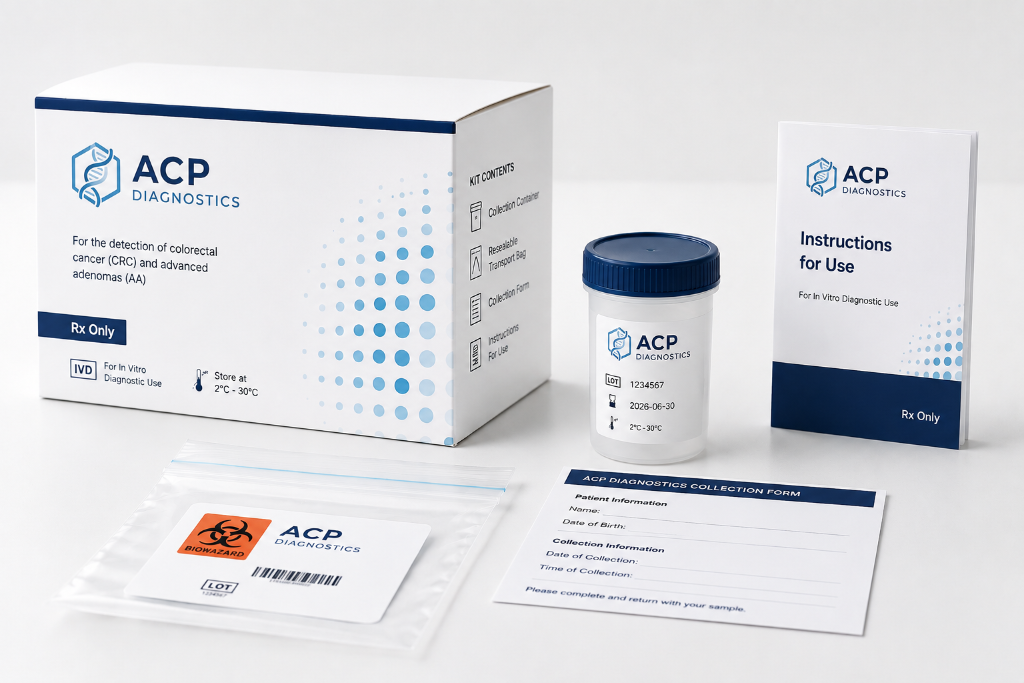
IVD Labeling: What Every Class II and Class III Manufacturer Needs to Know
For many medical device companies, labeling is viewed as the final step before product launch. In reality, FDA views labeling very differently. For an in vitro diagnostic (IVD), labeling is not simply the information printed on a box or package insert. It defines how the device is intended to be used, who should use it, what claims can legally be made, and ultimately whether the device is being marketed within the scope of its FDA clearance or approval.

Regulatory Affairs in Medical Devices and IVDs: The Job Everyone Notices Only When Something Goes Wrong
Regulatory Affairs is one of the most misunderstood professions in the medical device and IVD industry. To many people outside the function, RA is viewed as the department that submits paperwork to the FDA, reviews labeling, or tells teams what they cannot do. The reality could not be more different. Regulatory Affairs professionals operate at the intersection of science, engineering, quality, manufacturing, clinical evidence, marketing, business strategy, and global regulations.
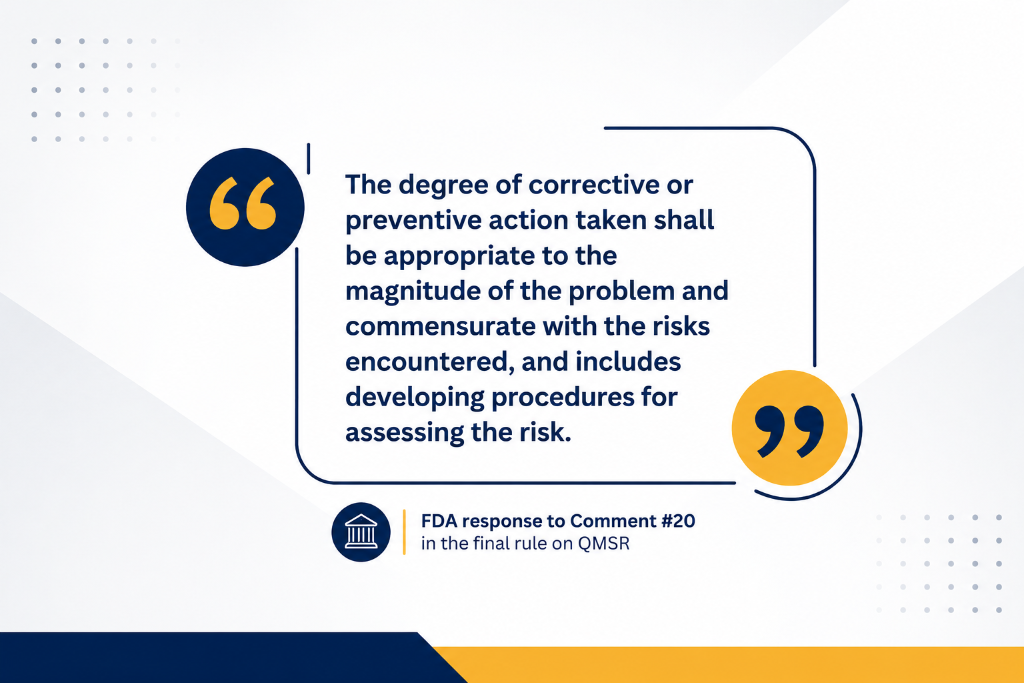
QMSR: Are You Using Risk to Prioritize Work or to Understand Your Quality System?
One of the most misunderstood phrases in FDA's new Quality Management System Regulation (QMSR) is "risk-based." Many manufacturers interpret risk-based thinking as a way to decide how much work to perform. While allocating resources appropriately is important, reducing risk-based thinking to a decision about workload misses the broader intent of ISO 13485 and FDA's QMSR.
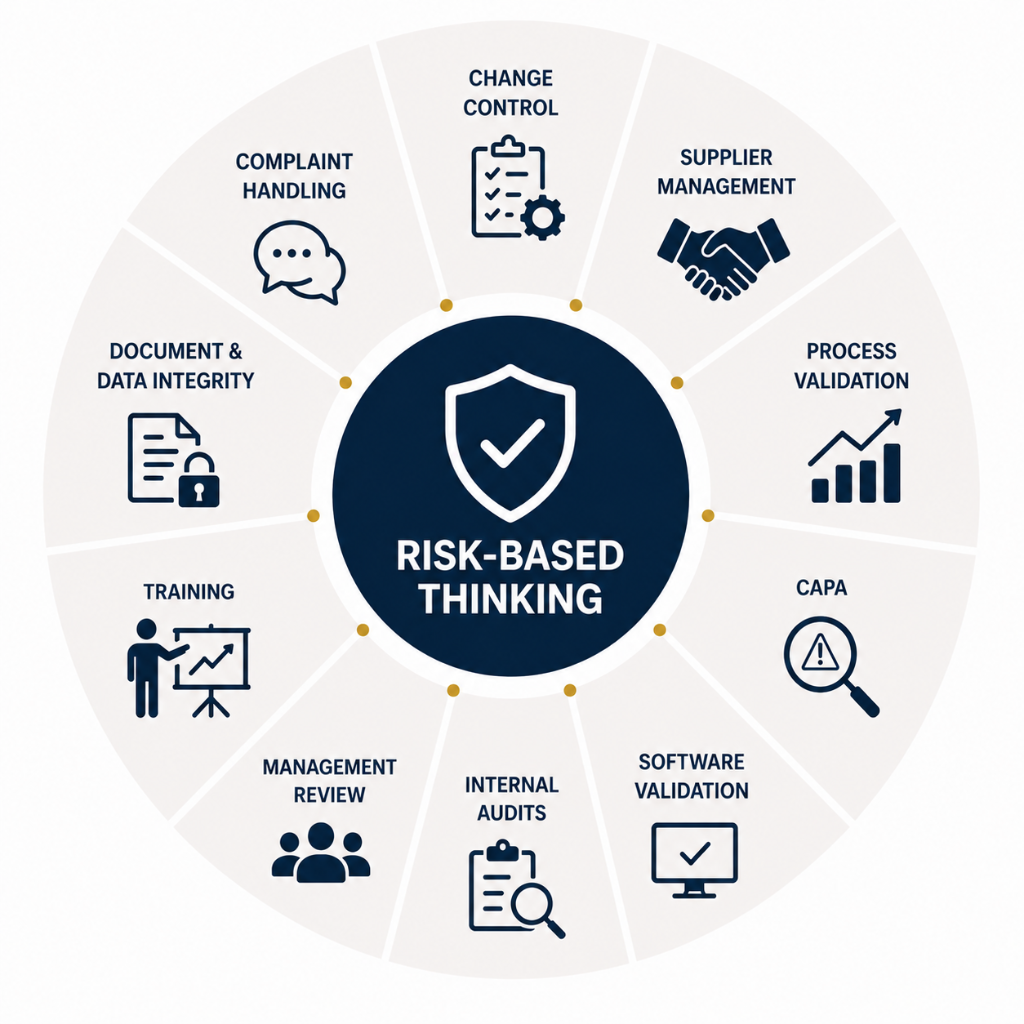
Risk Under FDA's QMSR: 10 Areas Medical Device Companies Should Be Evaluating Right Now
When FDA's Quality Management System Regulation (QMSR) officially replaced the old Quality System Regulation (QSR), many manufacturers focused on updating procedures, replacing regulatory citations, and training employees. But one of the biggest changes isn't simply replacing 21 CFR Part 820 with ISO 13485. It's the expectation that risk-based thinking is integrated throughout your entire quality management system—not just your risk management file.

QMSR Is Here: What the 2026 FDA Shift Actually Means for Medical Device Companies
In February 2026, the FDA officially implemented the Quality Management System Regulation (QMSR), aligning 21 CFR Part 820 with ISO 13485:2016. This is not just a documentation update — it's a shift in how the FDA expects companies to think about quality systems, risk, and control across the entire product lifecycle.

FDA vs. CLIA: Where Most IVD Companies Get It Wrong
There's a common assumption in IVD: FDA regulates the device, CLIA regulates the lab. At a high level, that's correct. But in practice, this oversimplification creates real regulatory risk — especially when laboratory changes affect the validated conditions of use that FDA reviewed.

What to Expect During Your First FDA Inspection: A Practical Guide
FDA inspections follow a structured but dynamic process. Investigators typically begin with opening meetings, proceed through records review and facility walkthroughs, and conclude with closeout discussions.

Building a Scalable QMS: Lessons from Startup to Growth Stage
Early-stage medical device companies often struggle with the tension between regulatory requirements and practical resource constraints. A scalable QMS starts with core processes built on simple, enforceable procedures.

Responding to a Form 483: Strategy, Tone, and Execution
An effective 483 response addresses three questions: What happened? Why did it happen? How will you prevent recurrence? The response should be detailed but concise, addressing root causes rather than symptoms.
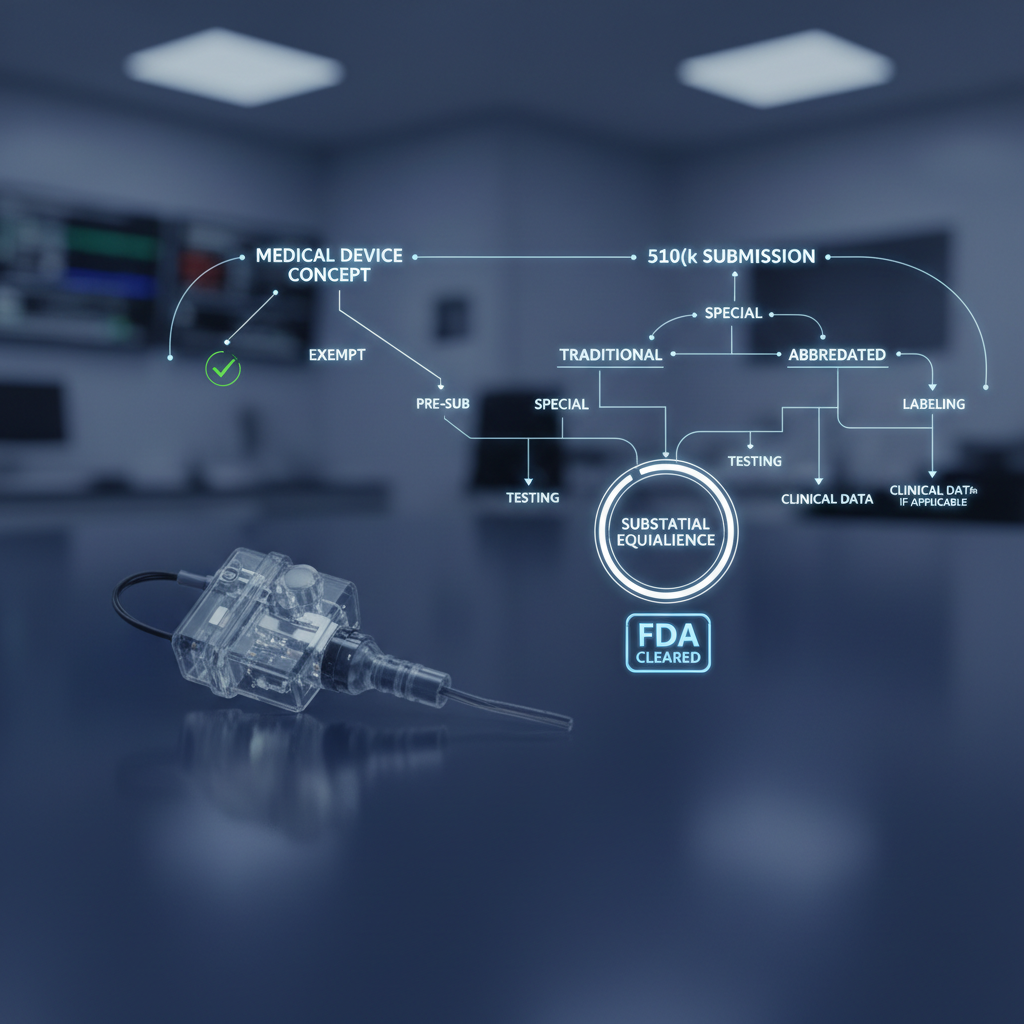
510(k) vs. De Novo: How to Choose the Right Pathway for Your Device
The choice between 510(k) and De Novo hinges on predicate availability and substantial equivalence. Early FDA engagement through pre-submission meetings can clarify pathway viability and prevent costly missteps.

Navigating the Evolving FDA Framework for In Vitro Diagnostics
The IVD regulatory landscape has shifted significantly in recent years. Laboratory-developed tests face increased FDA oversight, software-based diagnostics must address unique validation challenges, and clinical evidence expectations continue to rise.

Internal Audit Programs That Actually Improve Compliance
Effective internal audits go beyond checklist compliance to identify systemic weaknesses and process risks. Train auditors to think like FDA investigators—focus on objective evidence, trace processes from beginning to end.